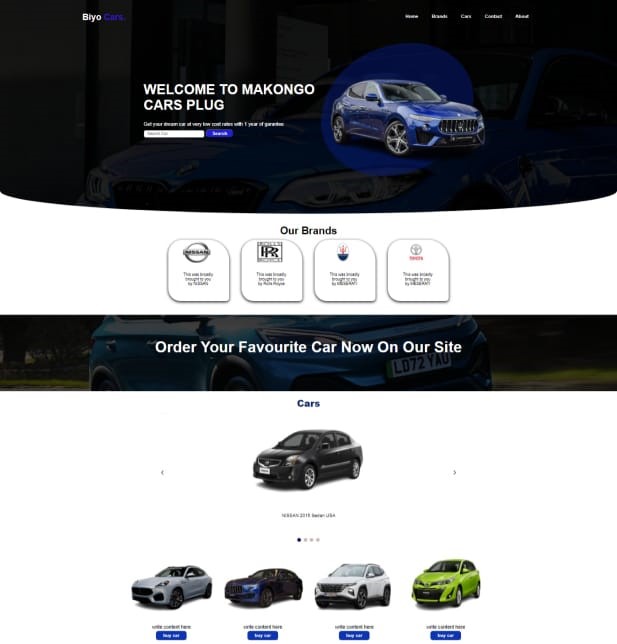
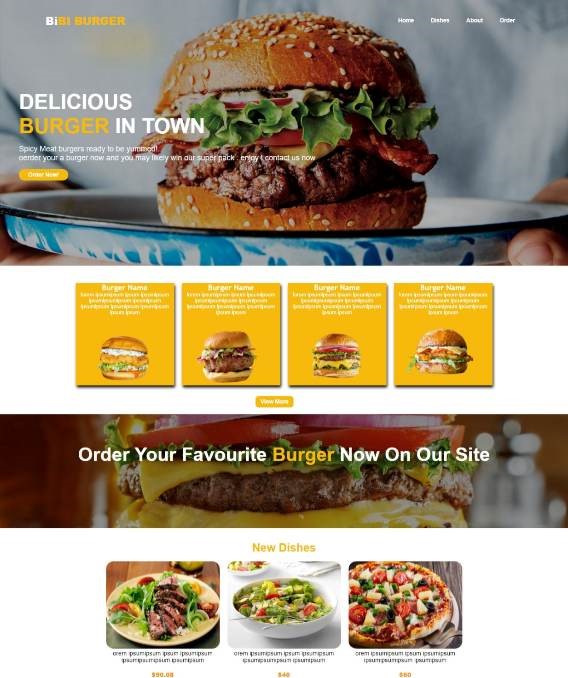
As a junior front-end web developer, I have accumulated three years of valuable experience in the field. Alongside my practical work, I am currently pursuing my training at the university as a software engineer, currently in my second year. Additionally, I have actively sought out online certifications to further enhance my skills and knowledge.
During my journey as a front-end developer, I have had the opportunity to work on various projects that have allowed me to hone my skills and gain hands-on experience. Through these projects, I have developed proficiency in HTML, CSS, and JavaScript, ensuring that websites are visually appealing, responsive, and user-friendly.
To supplement my practical experience, I am currently pursuing a software engineering degree at university. This academic background provides me with a solid foundation in computer science principles and programming concepts. It allows me to approach problem-solving with a systematic mindset while staying up-to-date with the latest industry trends.
Moreover, I understand the importance of continuous learning in this ever-evolving field. As part of my commitment to professional growth, I actively seek out online certifications from reputable platforms. These certifications not only validate my expertise but also ensure that I stay updated with emerging technologies and best practices.
As a front-end web developer, I have gained proficiency in utilizing a variety of powerful tools that enable me to create visually appealing and highly functional websites. These tools have not only increased my productivity but also allowed me to streamline my workflow effectively. Here are some of the key tools I frequently employ:
1. HTML/CSS: These fundamental languages form the backbone of web development. HTML (Hypertext Markup Language) provides the structure for web pages, while CSS (Cascading Style Sheets) enables me to add professional and sleek designs to those pages. Together, they allow me to create visually pleasing and responsive websites.
2. JavaScript: JavaScript is a versatile programming language that allows me to add interactivity and dynamic functionality to websites. It helps me enhance user experience through features like form validation, interactive buttons, animations, and more. JavaScript frameworks like React and Vue.js further enhance my ability to build complex and interactive web applications.
3. Bootstrap: As a front-end framework, Bootstrap allows me to build responsive and mobile-first websites quickly. It provides a range of pre-designed components, such as navigation bars, carousels, and modals, which I can easily incorporate into my projects. Bootstrap also ensures consistent design across different devices and screen sizes.
4. Version Control Systems (VCS): Git and GitHub are indispensable tools for any developer working on collaborative projects. VCS allows me to track changes, manage different versions of my code, and collaborate seamlessly with other team members. It ensures code integrity and simplifies the process of resolving conflicts during collaboration.
5. Design and Prototyping Tools: Tools like Adobe Photoshop, Sketch, and Figma are essential resources in my toolkit. They allow me to create wireframes, mockups, and prototypes, enabling me to visualize and refine the design of a website before the coding process begins.
By leveraging these tools, I am able to create exceptional websites that not only meet client requirements but also deliver an outstanding user experience. These tools have proven to be invaluable in my front-end web development journey, enabling me to build visually stunning, interactive, and user-friendly websites efficiently.
- Web Performance Optimization: Knowledge of techniques to improve website loading speed and overall performance.
- Problem-Solving: Strong analytical and problem-solving skills to identify and resolve issues in web development projects.
- Collaboration: Ability to work effectively in a team, communicate ideas, and collaborate with designers, developers, and other stakeholders.
- UI/UX Design: Experience in creating user-friendly interfaces, focusing on usability and user experience principles.
- Canva & Graphic Design: Proficient in using Canva or similar tools to create visually appealing graphics, such as flyers and logos.
- Responsive Design: Skillful in developing websites that adapt seamlessly to different screen sizes and devices.
- Testing and Debugging: Familiarity with testing and debugging tools to ensure high-quality and bug-free web development.
- Continuous Learning: Passion for staying updated with the latest web development trends, technologies, and best practices.
- Communication: Strong communication skills to effectively convey project requirements, progress updates, and collaborate with clients and team members
Singing / Listening to urban hiphop
Likes: coding and solving problems
Sport: Fotball, Gym and yoga